You’ve found an interesting private investment opportunity.
Then you see:
“Regulation D” or “Reg D.”
What does that actually mean?
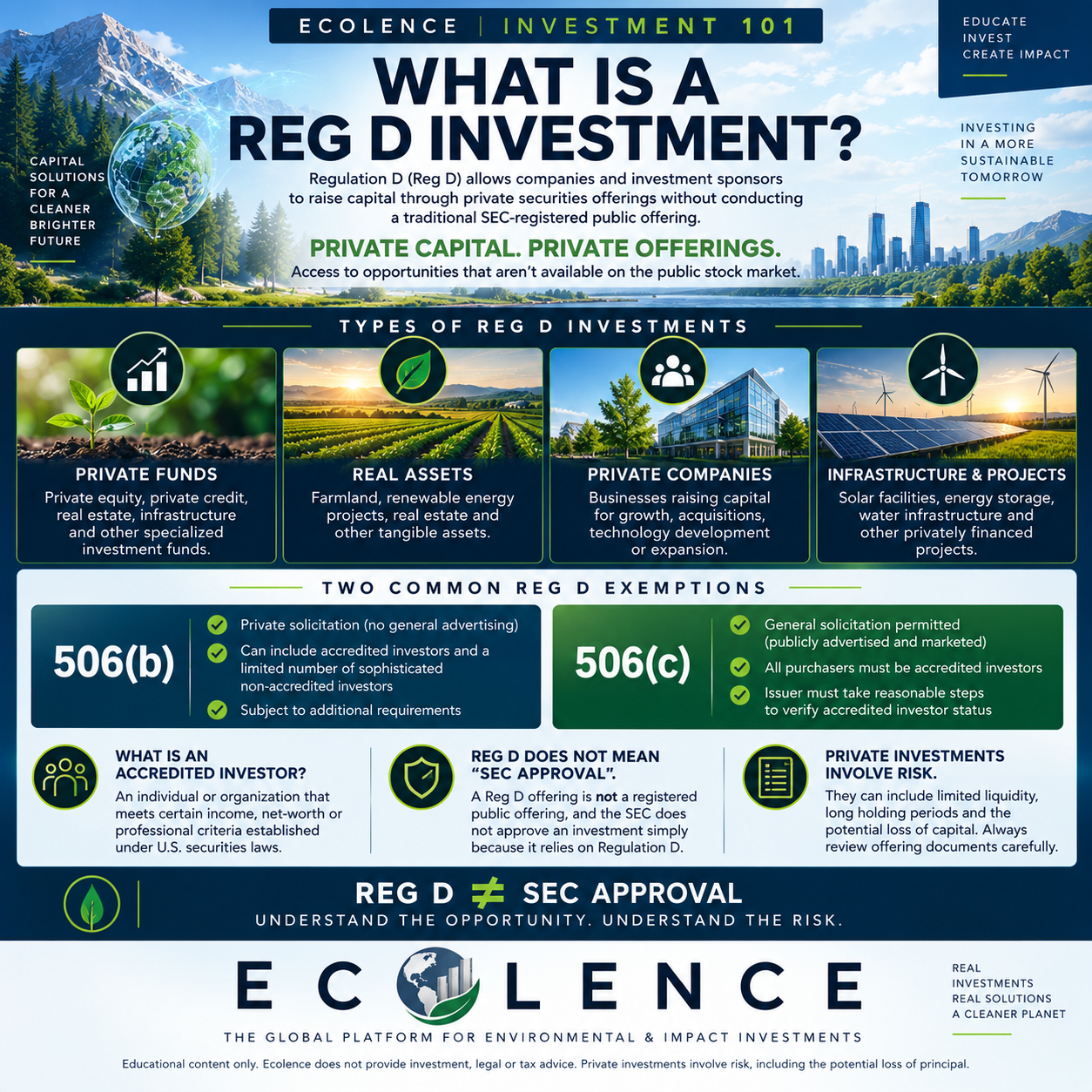
Regulation D is a framework under U.S. federal securities laws that allows companies and investment sponsors to raise capital through certain private securities offerings without conducting a traditional SEC-registered public offering.
For investors, Reg D offerings can provide access to opportunities that generally aren’t available through the public stock market.
These might include:
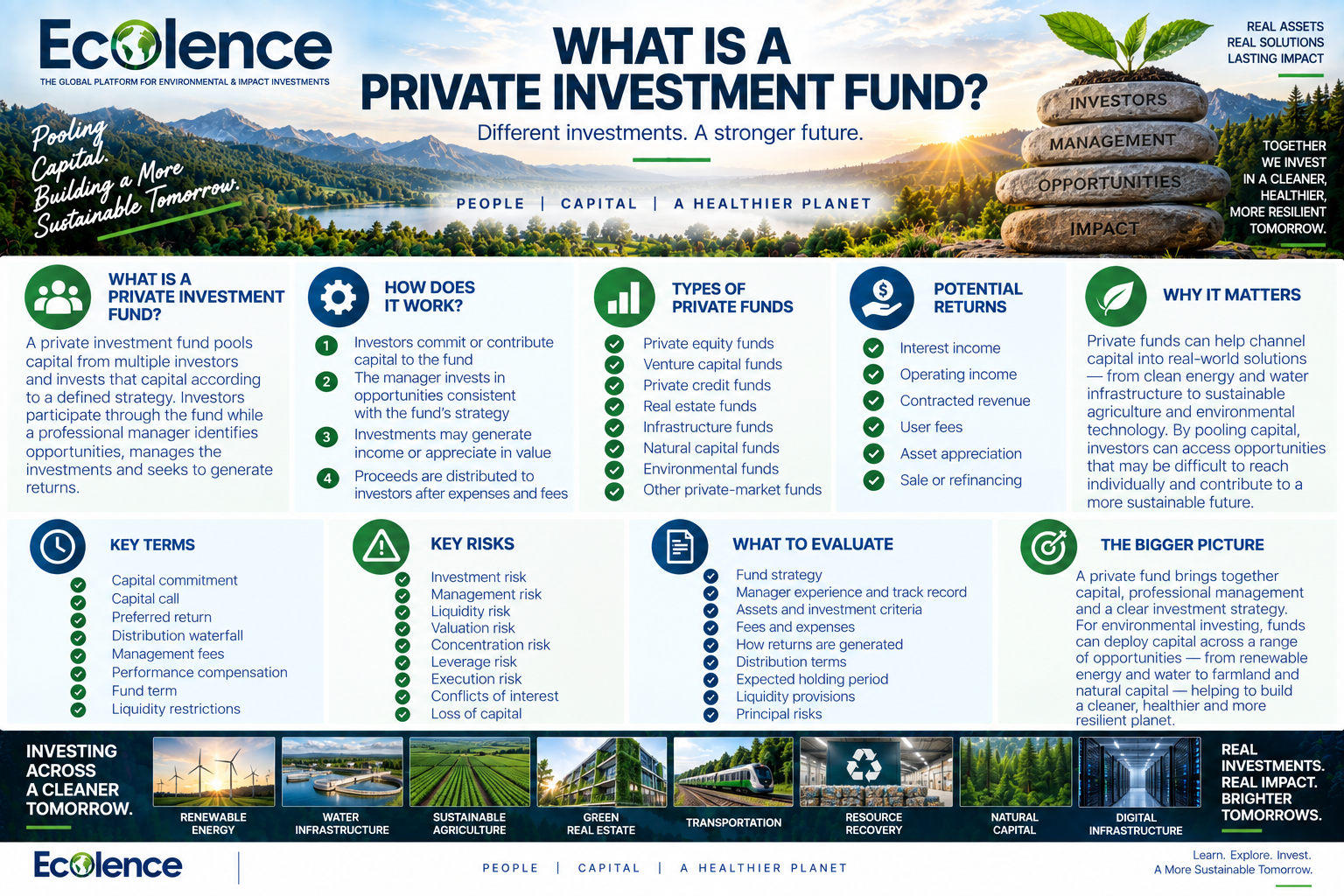
Private Funds
Private equity, private credit, real estate, infrastructure and other specialized investment funds.
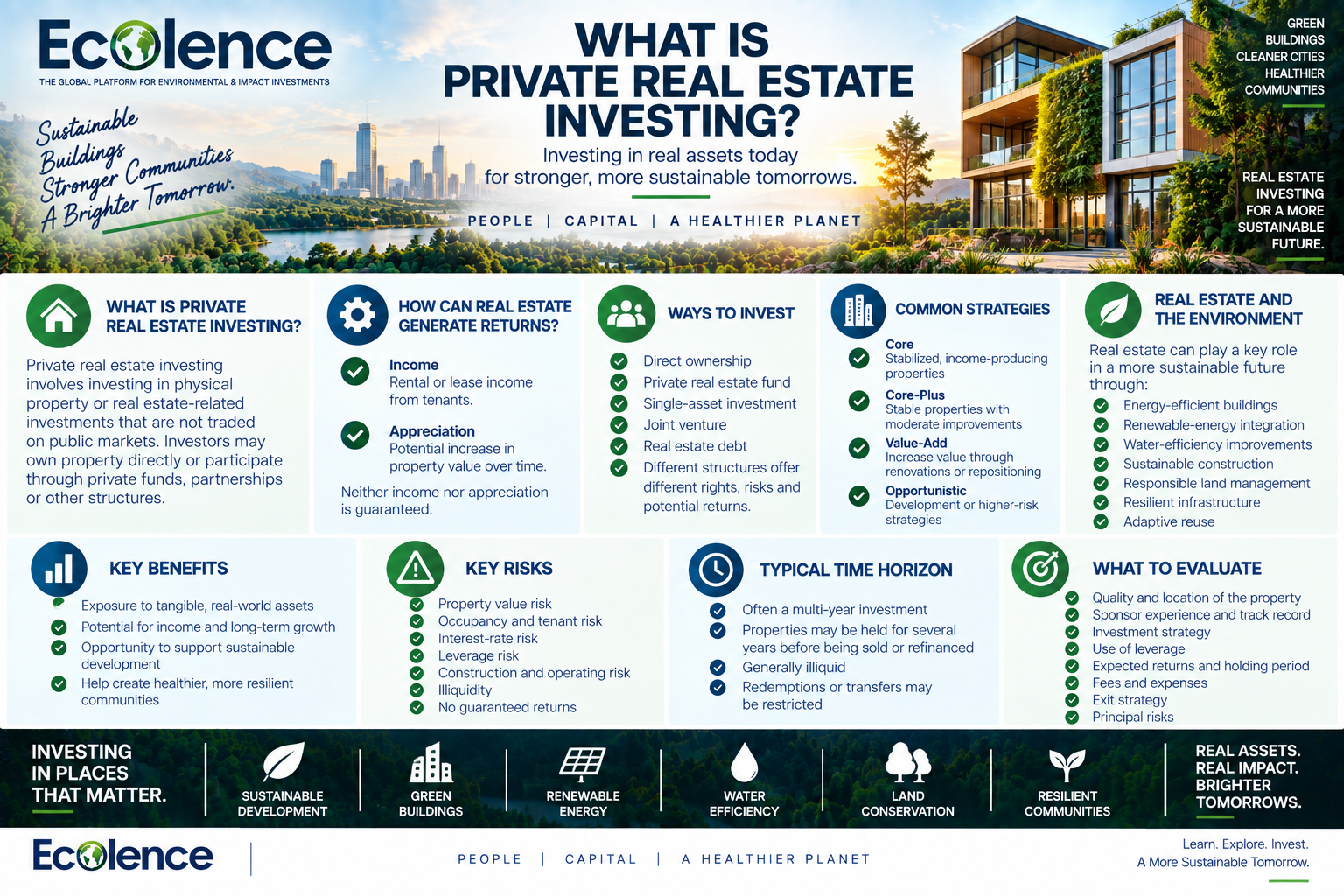
Real Assets
Farmland, renewable-energy projects, real estate and other tangible assets.
Private Companies
Businesses raising capital for growth, acquisitions, technology development or expansion.
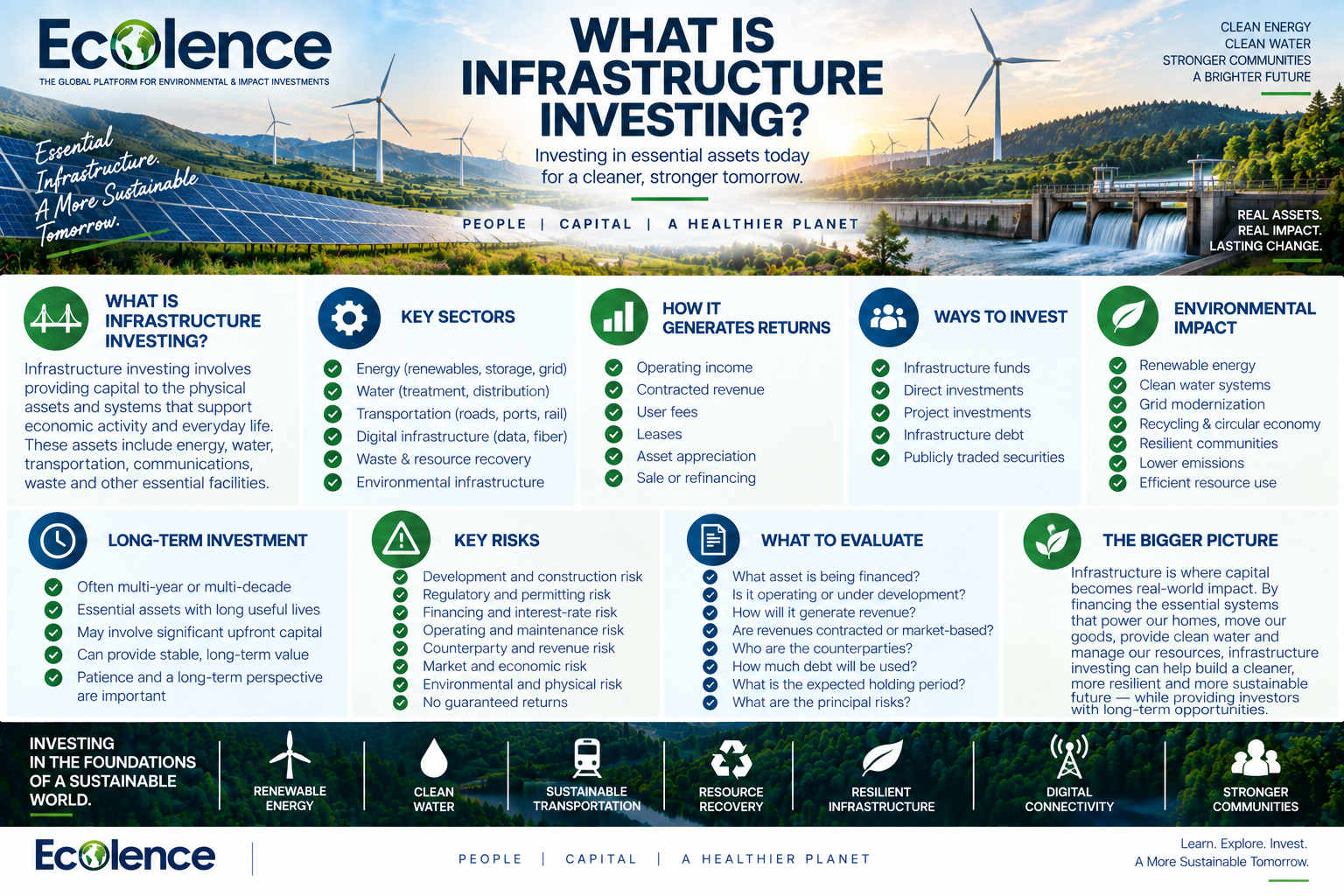
Infrastructure & Projects
Solar facilities, energy storage, water infrastructure and other privately financed projects.
Environmental & Impact Investments
Businesses, funds and projects seeking capital to finance environmental solutions.
TWO REG D EXEMPTIONS YOU MAY SEE
Two commonly used Regulation D exemptions are Rule 506(b) and Rule 506(c).
RULE 506(b)
Generally allows issuers to raise capital privately without broadly advertising the offering. It can include accredited investors and, subject to additional requirements, a limited number of sophisticated non-accredited investors.
RULE 506(c)
Allows an offering to be publicly advertised and marketed, but all purchasers must be accredited investors, and the issuer must take reasonable steps to verify their accredited status.
This distinction is particularly relevant when discovering private investments online.
WHAT IS AN ACCREDITED INVESTOR?
An accredited investor is an individual or organization that satisfies certain financial or professional criteria established under U.S. securities laws.
For individuals, qualification can include meeting specified income or net-worth thresholds, although certain professional credentials and other criteria can also qualify.
Being accredited doesn’t mean an investment is safe or appropriate.
It determines whether an investor is eligible to participate in certain private offerings.
REG D DOES NOT MEAN “SEC APPROVED”
This is an important distinction.
A Reg D offering is generally not the same as an SEC-registered public offering, and the SEC does not approve an investment simply because it relies on Regulation D.
Private investments can involve substantial risks, including loss of capital, limited liquidity, long holding periods and limited publicly available information.
Investors should carefully review the offering documents, risks, fees, management team, investment strategy and other relevant information before making an investment decision.
WHY DOES REG D MATTER TO ECOLENCE?
Many environmental and impact investment opportunities exist in the private markets rather than on public stock exchanges.
Renewable-energy projects.
Farmland funds.
Environmental technology companies.
Water infrastructure.
Natural capital.
Circular-economy businesses.
Regulation D is one of the mechanisms that can allow these businesses, funds and projects to connect with private capital.
Understanding how these offerings work is an important part of understanding the environmental investment universe.
Discover the opportunity. Understand the structure. Do your due diligence.
Ecolence
The Global Platform for Environmental & Impact Investments
Educational content only. Ecolence does not provide investment, legal or tax advice. Private investments involve risk, including the potential loss of principal.